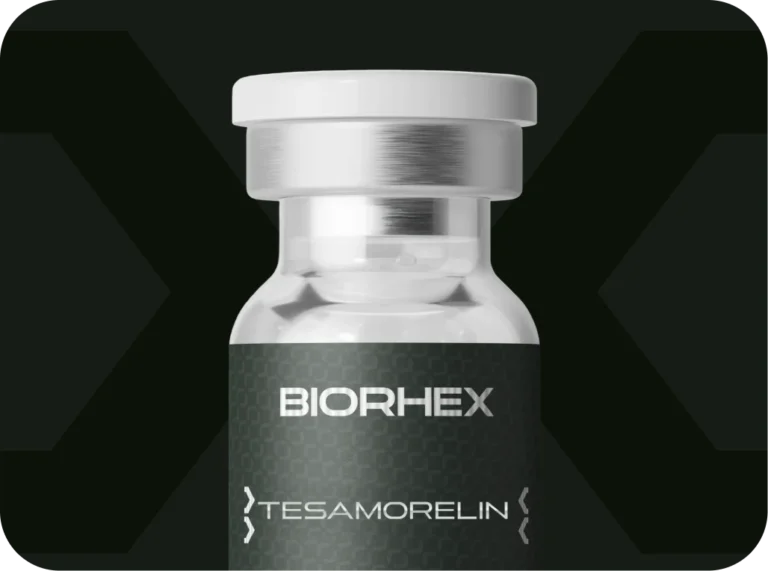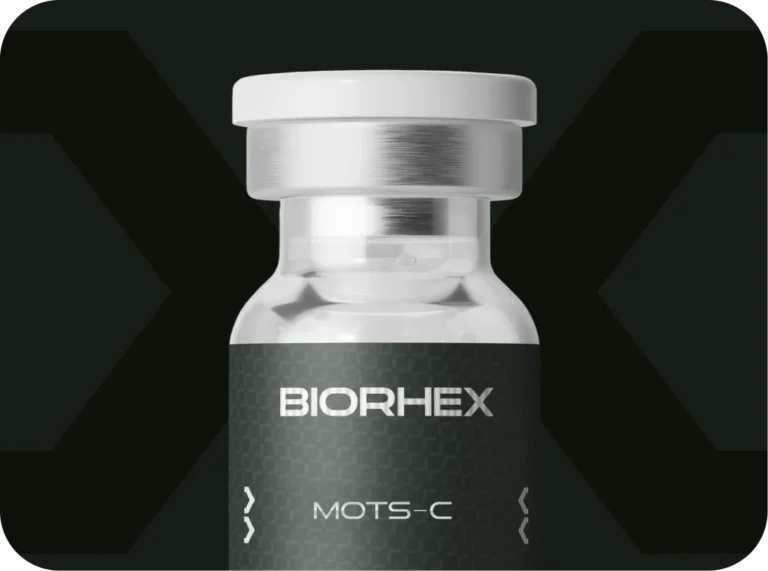
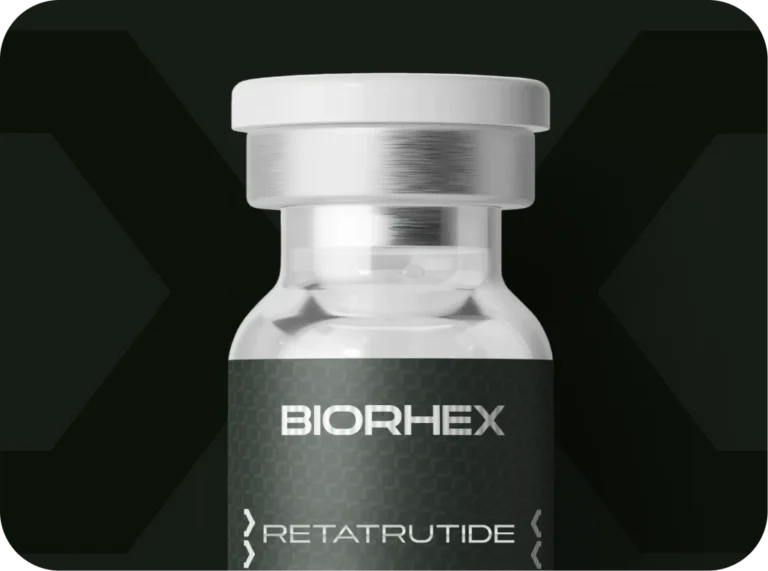
Metabolic Research Stack

$399.00

What Is Metabolic Research Stack

A broad metabolic research stack for investigating incretin and glucagon receptor systems, mitochondrial signaling, adipocyte biology, lipolytic pathway models, and cellular redox metabolism.

METABOLIC RESEARCH STACK

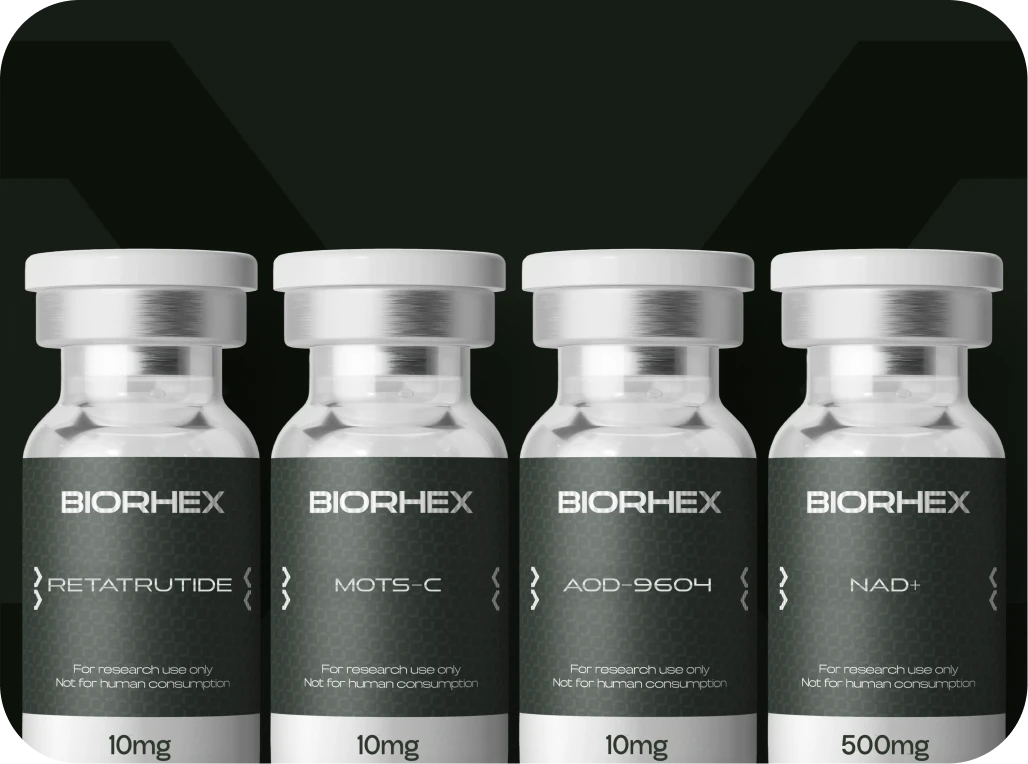
COMPONENT

Retatrutide

MOTS-c

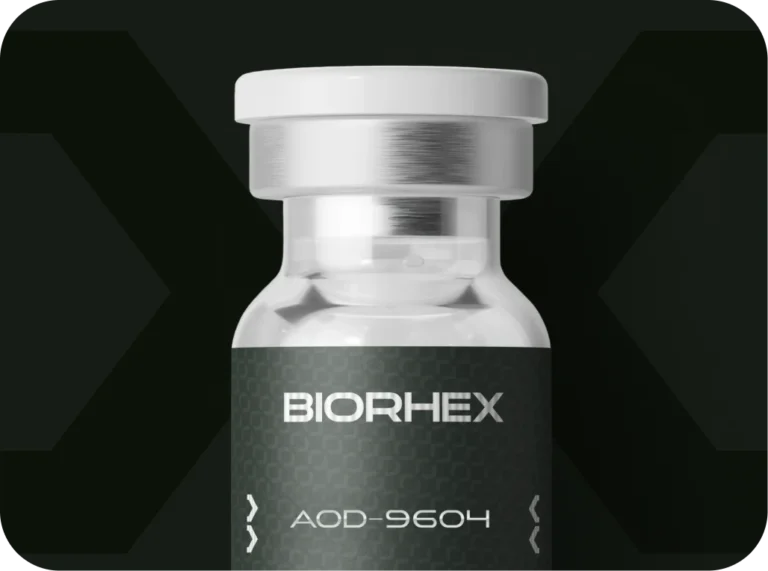
AOD-9604

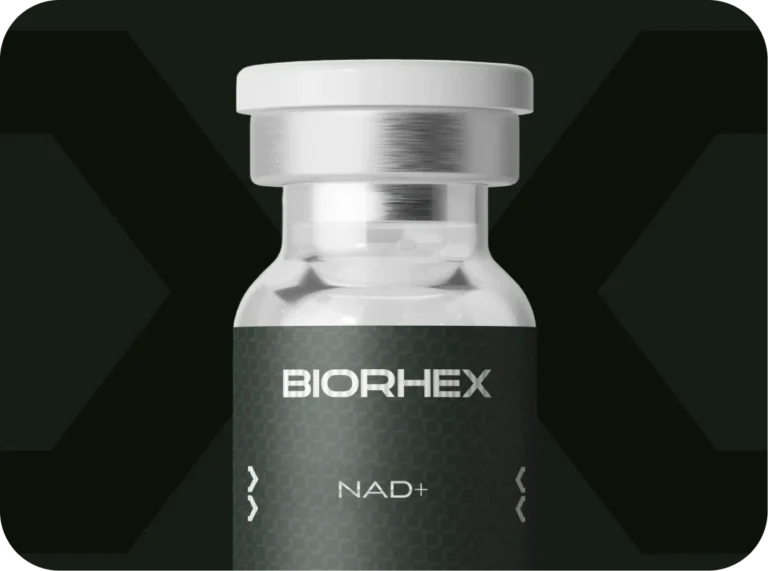
NAD+

QUANTITY

10mg

10mg

10mg

500mg

RESEARCH CLASS

triple incretin/glucagon receptor agonist research

mitochondrial-derived peptide research

hGH fragment 176-191 research

dinucleotide coenzyme and redox research

Compound Overview

The Metabolic Research Stack combines four distinct compounds used across metabolic research. Retatrutide is studied as a GLP-1/GIP/glucagon triple receptor agonist. MOTS-c is a mitochondrial-derived peptide investigated in metabolic stress adaptation and mitochondria-to-nucleus signaling. AOD-9604 is a modified fragment of human growth hormone studied in adipocyte and lipolytic pathway models independently of full-length GH growth signaling. NAD+ is a central redox coenzyme required for energy metabolism and multiple signaling enzymes.
The stack is designed for component-specific and comparative laboratory investigation. It does not imply a validated combined formulation or administration protocol.

GLP-1, GIP, and glucagon receptor pathway modeling
Mitochondrial stress signaling and AMPK-associated research
Adipocyte lipolysis, lipogenesis, and beta-adrenergic pathway models
NAD+/NADH redox balance and cellular energy metabolism
Comparative analysis of receptor, peptide, and coenzyme-level metabolic mechanisms

BACKGROUND & HISTORY

The compounds represent four different stages of metabolic research: classic redox coenzyme biology through NAD+, GH-fragment pharmacology through AOD-9604, mitochondrial signaling peptide discovery through MOTS-c, and modern multi-receptor agonist engineering through retatrutide. Their grouping reflects a systems-level laboratory interest in metabolic regulation rather than a single shared molecular mechanism.

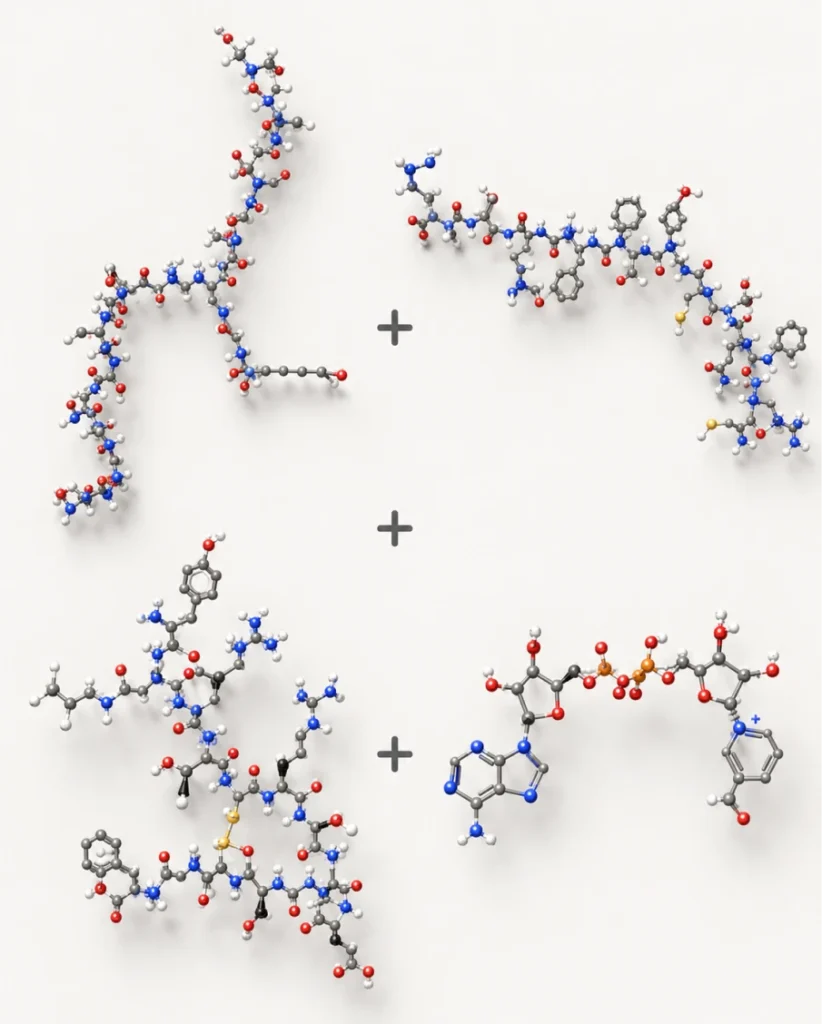
Structure

Reserch-grade coenzyme compound visualization.

COMPOUND

Retatrutide + MOTS-c + AOD-9604 + NAD+

TYPE

Multi-component metabolic research stack

MOLECULAR FORMULA

Not applicable (multi-component formulation)

MOLECULAR WEIGHT

Not applicable (individual component molecular weights vary)

PURITY

≥99%

ANALYSIS

HPLC Verified

STORAGE

Store at -20°C. Protect from light and moisture.

CLASSIFICATION

Reserch Use Only

Research Findings

Published and preclinical research relevant to the individual components covers several areas of scientific investigation, including:

  • Triple-receptor research: Retatrutide models examine coordinated GLP-1, GIP, and glucagon receptor activation.

  • Mitochondrial signaling: MOTS-c research evaluates metabolic stress response, nuclear translocation, and energy-homeostasis pathways.

  • Adipocyte pathway research: AOD-9604 studies examine GH-fragment-associated lipolytic signaling and adipose-tissue biology.

  • Redox metabolism: NAD+ research covers electron transfer, sirtuin signaling, PARP activity, and bioenergetic regulation.

References

1. Jastreboff AM, et al. (2023). Triple-Hormone-Receptor Agonist Retatrutide for Obesity. New England Journal of Medicine, 389, 514–526. https://doi.org/10.1056/NEJMoa2301972

2. Lee C, et al. (2015). The mitochondrial-derived peptide MOTS-c promotes metabolic homeostasis and reduces obesity and insulin resistance. Cell Metabolism, 21(3), 443–454. https://doi.org/10.1016/j.cmet.2015.02.009

3. Ng FM, et al. (2000). Metabolic studies of a synthetic lipolytic domain (AOD9604) of human growth hormone. Hormone Research, 53(6), 274–278. https://doi.org/10.1159/000053183

4. Verdin E. (2015). NAD+ in aging, metabolism, and neurodegeneration. Science, 350(6265), 1208–1213. https://doi.org/10.1126/science.aac4854

FAQ

What type of research is this stack used for?

Metabolic Research Stack is intended for controlled in vitro, analytical, and preclinical laboratory research involving the pathways described on this page. Experimental design should address each component independently.

All BioRhex compounds included in this stack are manufactured in a GMP-compliant facility located in the United States.

Each applicable batch undergoes third-party HPLC purity testing, mass spectrometry identity verification, and sterility testing. Batch-specific Certificates of Analysis are included or made available for the individual components.

No. A stack contains multiple independent compounds. Each component has its own molecular identity, batch number, test results, and Certificate of Analysis.

No. The compounds in this stack are not supplied for human or animal administration. They are provided exclusively for laboratory research purposes.

Research Use Only

All BioRhex compounds in the Metabolic Research Stack are supplied strictly for laboratory research purposes. Not for human or animal consumption, medical use, diagnostic use, or therapeutic application. The compounds are not represented as FDA-approved for the uses described on this page. Nothing in this document should be interpreted as health guidance, dosage guidance, or a recommendation for use outside controlled research settings.

RELATED PRODUCTS