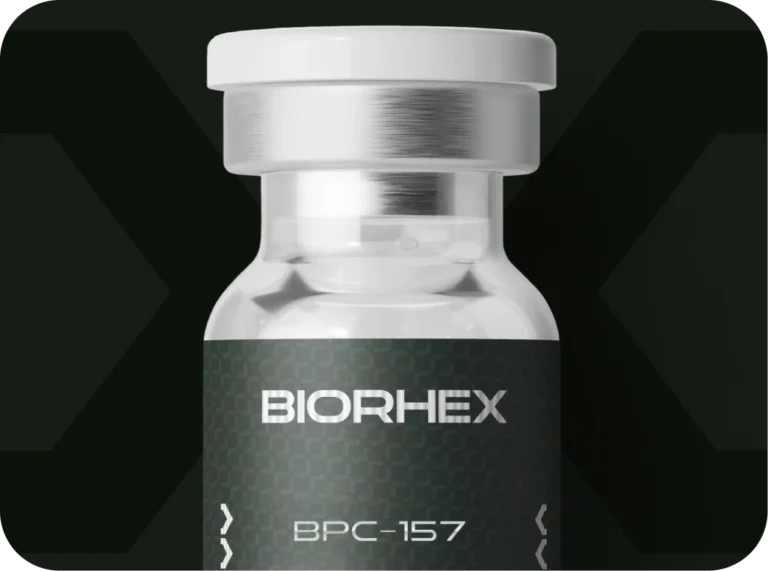
BPC-157

Price range: $49.99 through $84.99

BPC-157 (Body Protection Compound-157) is a synthetic 15-amino-acid peptide derived from a partial sequence of a naturally occurring gastric protection protein found in human gastric juice. In research settings, BPC-157 is examined for its interactions with angiogenic pathways, cellular repair signaling, and inflammatory mediator modulation in laboratory models.

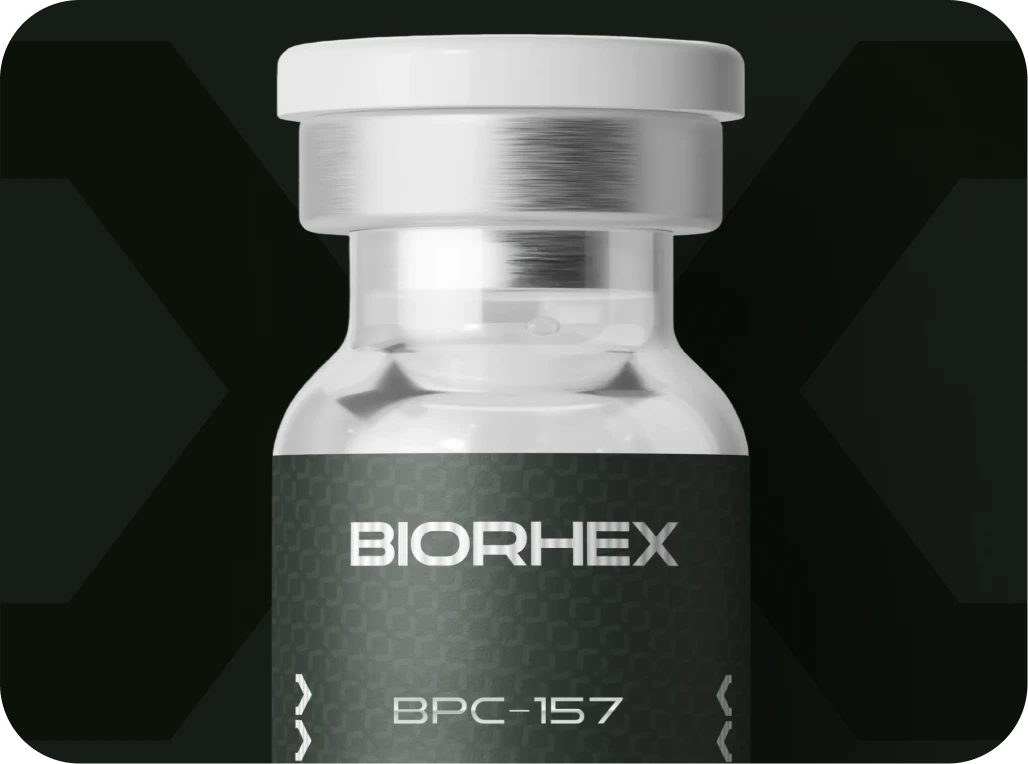
BioRhex supplies BPC-157 (5mg) as a research compound manufactured in a GMP-compliant US facility, tested to ≥99% purity via HPLC and mass spectrometry, and supplied strictly for controlled laboratory research — not for human or animal use.

What Is BPC-157?

BPC-157 (Body Protection Compound-157) is a synthetic 15-amino-acid peptide derived from a partial sequence of a naturally occurring gastric protection protein found in human gastric juice. In research settings, BPC-157 is examined for its interactions with angiogenic pathways, cellular repair signaling, and inflammatory mediator modulation in laboratory models.

BioRhex supplies BPC-157 (5mg) as a research compound manufactured in a GMP-compliant US facility, tested to ≥99% purity via HPLC and mass spectrometry, and supplied strictly for controlled laboratory research — not for human or animal use.

Compound Overview

BPC-157 is a pentadecapeptide studied for its tissue biology and repair pathway signaling properties. In vitro and preclinical models examine how BPC-157 may influence:

• VEGF and angiogenesis pathway interactions in vascular models
• Fibroblast migration and extracellular matrix remodeling signaling
• Inflammatory mediator and cytokine pathway modulation
• Nitric oxide system interactions in vascular biology research
• Gastrointestinal mucosal signaling in experimental systems

All findings referenced are from controlled research environments and do not represent clinical outcomes or therapeutic claims.

History of BPC-157

BPC-157 was originally identified through research on gastric-derived protective proteins at the University of Zagreb by Predrag Sikiric and colleagues. Scientists isolated the stable 15-amino-acid sequence from the larger BPC protein to investigate its independent biological signaling activity.

Preclinical studies established BPC-157 as a research tool for studying tissue repair signaling, angiogenesis pathway modulation, and inflammatory response dynamics across multiple laboratory models.

It has become one of the more frequently studied peptides in recovery and tissue biology research, with a substantial body of preclinical literature across multiple tissue model types.

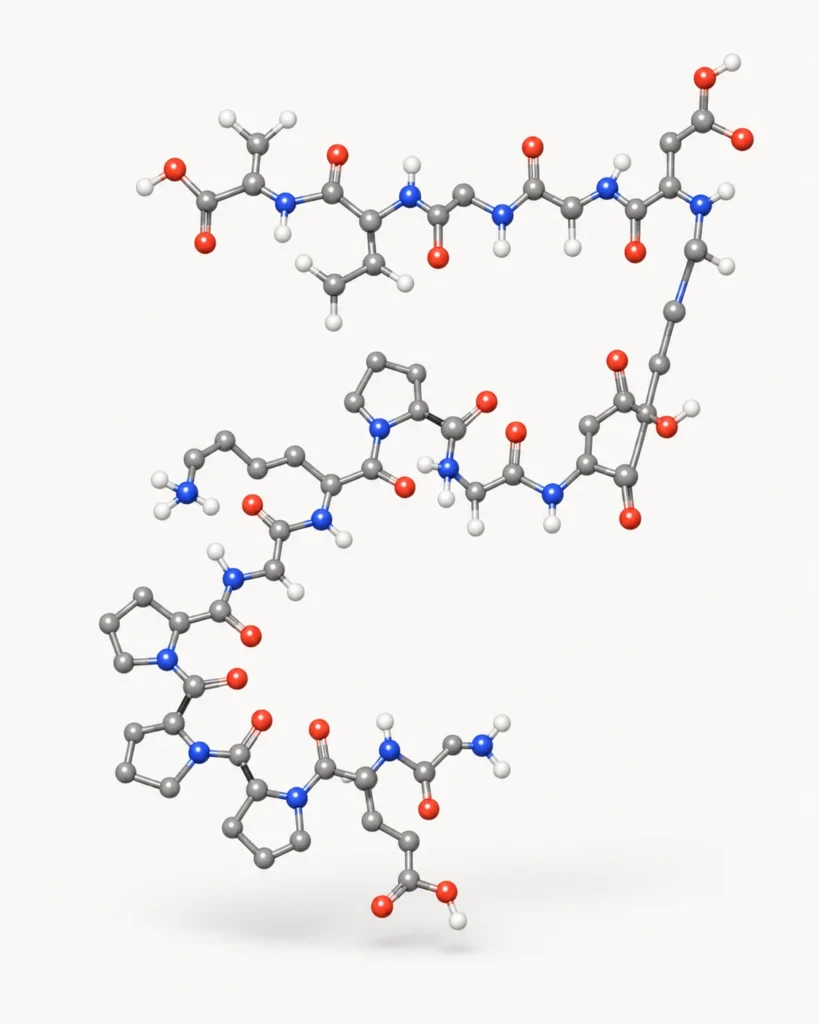
Molecular Structure

Gly-Glu-Pro-Pro-Pro-Gly-Lys-Pro-Ala-Asp-Asp-Ala-Gly-Leu-Val

Research Findings

Published and preclinical research on BPC-157 covers several areas of scientific investigation, including:

  • Angiogenesis research: Studies examine how BPC-157 interacts with VEGF pathways and endothelial cell activity in vascular biology models.

  • Tissue remodeling signaling: Research explores fibroblast activity, collagen synthesis signaling, and ECM reorganization pathway dynamics.

  • Inflammatory signaling models: Laboratory studies investigate BPC-157’s interactions with pro-inflammatory cytokine production in cellular systems.

  • Gastrointestinal biology: Preclinical models examine BPC-157’s interactions with mucosal integrity signaling in gut tissue research.

All findings referenced are from controlled, non-clinical research models and do not imply therapeutic or clinical application.

References

FAQ

Q: What type of research is BPC-157 used for?

A: BPC-157 is used in laboratory research settings. All supplied compounds are intended strictly for in vitro and preclinical research purposes. Use is limited to controlled scientific environments.

A: All BioRhex compounds, including BPC-157, are manufactured in a GMP-compliant facility located in the United States.

A: Every batch of BPC-157 undergoes third-party HPLC purity testing, mass spectrometry identity verification, and sterility testing. A Certificate of Analysis is included with every order, documenting batch-specific purity data at a ≥99% threshold.

A: No. BPC-157 is not FDA-approved and is not intended for human or animal administration. It is supplied exclusively for laboratory research purposes.

A: Only qualified personnel in controlled laboratory settings following appropriate safety and handling protocols.

Research Use Only

All BioRhex compounds are supplied strictly for laboratory research purposes. Not for human or animal consumption, medical use, or therapeutic application. BPC-157 is not FDA-approved for any medical purpose. Nothing on this page should be interpreted as health guidance or applied outside controlled research settings.

RELATED PRODUCTS