KPV
$79.00
- In stock
- COA-verified
- ≥99% purity.
- USA manufactured.
- In stock
- COA-verified
- ≥99% purity.
- USA manufactured.
- COA-verified
- In stock
- ≥99% purity.
- USA manufactured.
- In stock
- ≥99% purity.
- USA manufactured.
- In stock
- ≥99% purity.
- USA manufactured.
- In stock
- ≥99% purity.
- USA manufactured.
WHAT IS KPV?
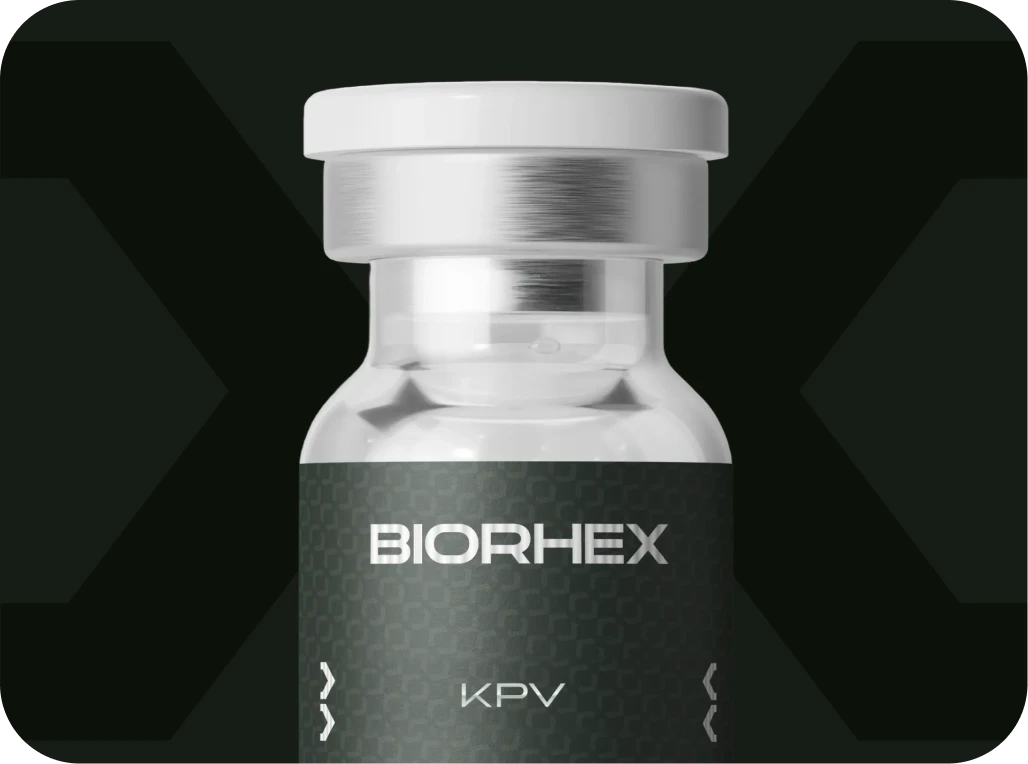
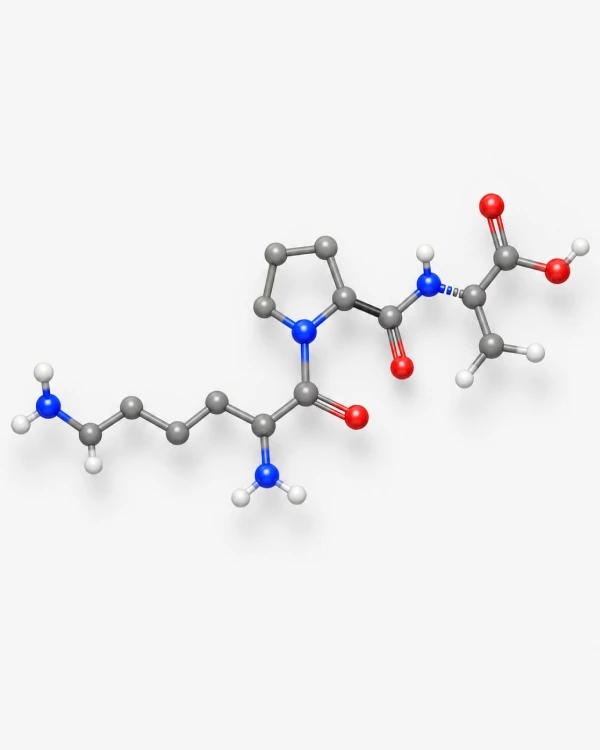
KPV is a synthetic tripeptide composed of lysine, proline, and valine (Lys-Pro-Val), corresponding to positions 11–13 of α-melanocyte-stimulating hormone (α-MSH). It is investigated in research models for anti-inflammatory signaling activity that is independent of melanocortin-receptor pigmentation pathways.
BioRhex supplies KPV as a research compound manufactured in a GMP-compliant US facility, tested to ≥ 99% purity via HPLC and mass spectrometry, and supplied strictly for controlled laboratory research — not for human or animal use.
Compound Overview
KPV is a tripeptide investigated for its interactions with intracellular inflammatory signaling pathways. In vitro and preclinical models examine how KPV may influence:
NF-κB transcription-factor signaling in cellular models
Pro-inflammatory cytokine expression and release
PepT1-mediated peptide uptake in intestinal epithelial models
Epithelial-barrier function and mucosal inflammation models
MAP kinase (MAPK) inflammatory signaling cascades
HISTORY OF KPV
KPV was identified as the C-terminal tripeptide fragment of α-MSH, with Hiltz and Lipton’s 1989 work establishing that the Lys-Pro-Val sequence retained anti-inflammatory activity in vitro without the pigmentation effects of the parent hormone.
In vitro and preclinical findings related to KPV’s interactions with NF-κB signaling and intestinal epithelial models expanded its use as a research tool in inflammatory pathway studies.
KPV continues to be investigated within anti-inflammatory and epithelial-barrier pathway research in controlled laboratory environments.
Structure
Reserch-grade coenzyme compound visualization.
COMPOUND
Lys-Pro-Val
TYPE
Tripeptide (α-MSH C-terminal fragment)
MOLECULAR FORMULA
C16H30N4O4
MOLECULAR WEIGHT
342.43 g/mol
PURITY
≥99%
ANALYSIS
HPLC Verified
STORAGE
Store at -20°C. Protect from light and moisture.
CLASSIFICATION
Reserch Use Only
Research Findings
Published and preclinical research on KPV covers several areas of scientific investigation, including:
Inflammatory signaling research: Studies examine KPV’s inhibition of NF-κB activation and pro-inflammatory cytokine synthesis in epithelial and immune cell models.
Intestinal barrier research: Studies examine PepT1-mediated KPV uptake and its interactions with experimental colitis models.
Dermatological research: Studies examine KPV’s interactions with keratinocyte inflammation and contact-dermatitis systems.
Immunomodulation research: Studies examine KPV’s effects on mast-cell activation and immune-cell signaling in preclinical models.
All findings referenced are from controlled, non-clinical research models and do not imply therapeutic or clinical application.
References
1. Hiltz ME, Lipton JM (1989). Antiinflammatory activity of a COOH-terminal fragment of the neuropeptide α-MSH. The FASEB Journal, 3(11), 2282–2284. https://doi.org/10.1096/fasebj.3.11.2550304
2. Dalmasso G, Charrier-Hisamuddin L, Nguyen HTT, et al. (2008). PepT1-mediated tripeptide KPV uptake reduces intestinal inflammation. Gastroenterology, 134(1), 166–178. https://doi.org/10.1053/j.gastro.2007.10.026
3. Brzoska T, Luger TA, Maaser C, Abels C, Böhm M (2008). α-Melanocyte-stimulating hormone and related tripeptides: biochemistry, antiinflammatory and protective effects in vitro and in vivo. Endocrine Reviews, 29(5), 581–602. https://doi.org/10.1210/er.2007-0027
FAQ
What type of research is KPV used for?
KPV is used in laboratory research settings. All supplied compounds are intended strictly for in vitro and preclinical research purposes. Use is limited to controlled scientific environments.
Where is BioRhex’s KPV manufactured?
All BioRhex compounds, including KPV, are manufactured in a GMP-compliant facility located in the United States.
What testing does BioRhex conduct on KPV?
Every batch of KPV undergoes third-party HPLC purity testing, mass spectrometry identity verification, and sterility testing. A Certificate of Analysis is included with every order, documenting batch-specific purity data at a ≥ 99% threshold.
Is KPV approved for human use?
No. KPV is not FDA-approved and is not intended for human or animal administration. It is supplied exclusively for laboratory research purposes.
Who should handle this compound?
Only qualified personnel in controlled laboratory settings following appropriate safety and handling protocols.
Research Use Only
All BioRhex compounds are supplied strictly for laboratory research purposes. Not for human or animal consumption, medical use, or therapeutic application. KPV is not FDA-approved for any medical purpose. Nothing on this page should be interpreted as health guidance or applied outside controlled research settings.