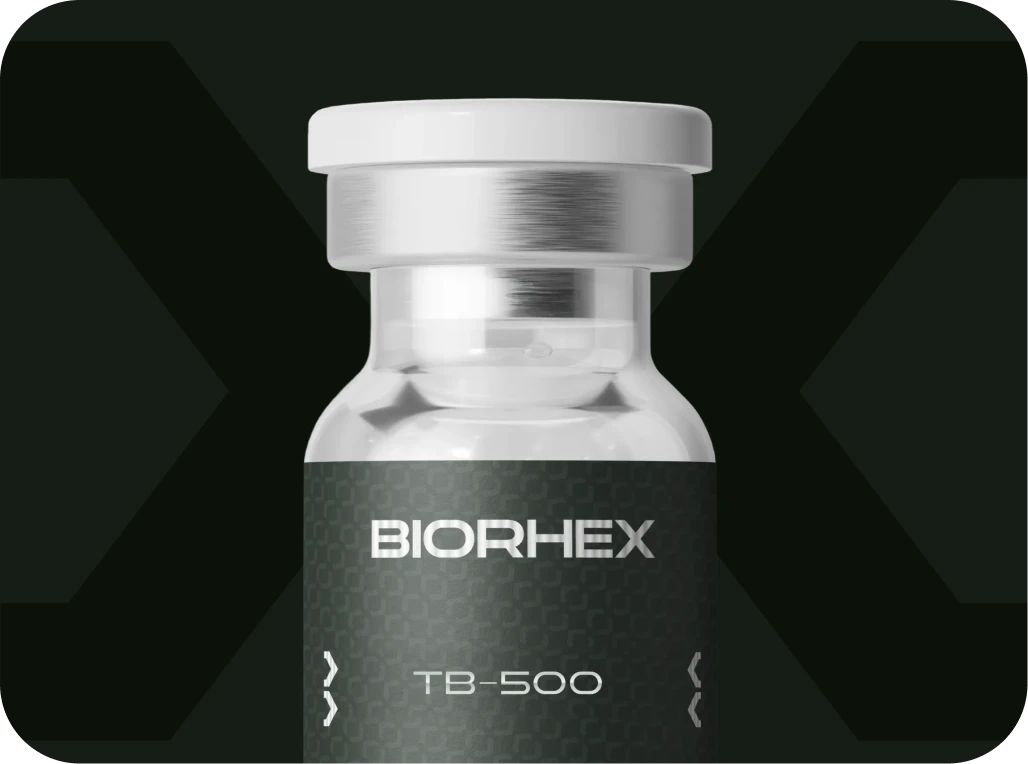
TB-500
$49.99 – $89.99Price range: $49.99 through $89.99
TB-500 is a synthetic peptide fragment corresponding to the actin-binding active region of Thymosin Beta-4 (Tβ4), a naturally occurring 43-amino-acid protein involved in actin cytoskeletal regulation and cellular biology. In research settings, TB-500 is studied for its interactions with G-actin sequestration, endothelial and smooth muscle cell migration signaling, and angiogenesis pathway dynamics.
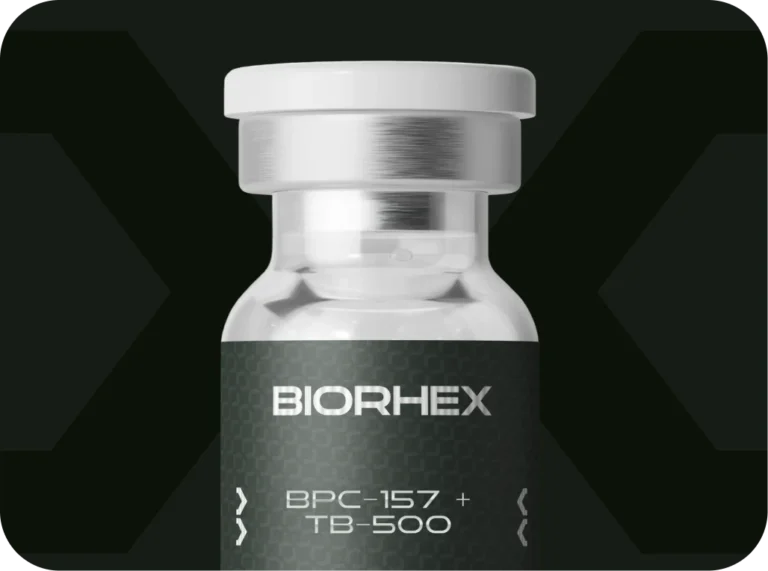
BioRhex supplies TB-500 (10mg) as a research compound manufactured in a GMP-compliant US facility, tested to ≥99% purity via HPLC and mass spectrometry, and supplied strictly for controlled laboratory research — not for human or animal use.
- In stock
- COA-verified
- ≥99% purity.
- USA manufactured.
- In stock
- COA-verified
- ≥99% purity.
- USA manufactured.
- COA-verified
- In stock
- ≥99% purity.
- USA manufactured.
What Is TB-500?
TB-500 is a synthetic peptide fragment corresponding to the actin-binding active region of Thymosin Beta-4 (Tβ4), a naturally occurring 43-amino-acid protein involved in actin cytoskeletal regulation and cellular biology. In research settings, TB-500 is studied for its interactions with G-actin sequestration, endothelial and smooth muscle cell migration signaling, and angiogenesis pathway dynamics.
BioRhex supplies TB-500 (10mg) as a research compound manufactured in a GMP-compliant US facility, tested to ≥99% purity via HPLC and mass spectrometry, and supplied strictly for controlled laboratory research — not for human or animal use.
Compound Overview
TB-500 is an actin-regulatory peptide fragment studied for its cell biology and tissue signaling properties. In vitro and preclinical models examine how TB-500 may influence:
• G-actin sequestration and cytoskeletal dynamics in cellular models
• Endothelial and smooth muscle cell migration pathway signaling
• Angiogenesis pathway interactions and vessel formation biology
• Inflammatory mediator modulation in tissue research models
• Cardiac and skeletal muscle cell biology in preclinical systems
All findings referenced are from controlled research environments and do not represent clinical outcomes or therapeutic claims.
History of TB-500
Thymosin Beta-4 was first isolated from thymic tissue, and its role in actin regulation was characterized through cytoskeletal biology research. The active actin-binding sequence of Tβ4 was identified as the key functional domain, leading to TB-500’s development as a dedicated research tool.
Preclinical research with TB-500 explored its effects on cell migration, angiogenesis, and tissue repair signaling across multiple experimental models, establishing it as a reference compound in recovery biology and vascular research.
TB-500 continues to be studied in tissue repair, vascular biology, and cytoskeletal pathway research within controlled laboratory environments.
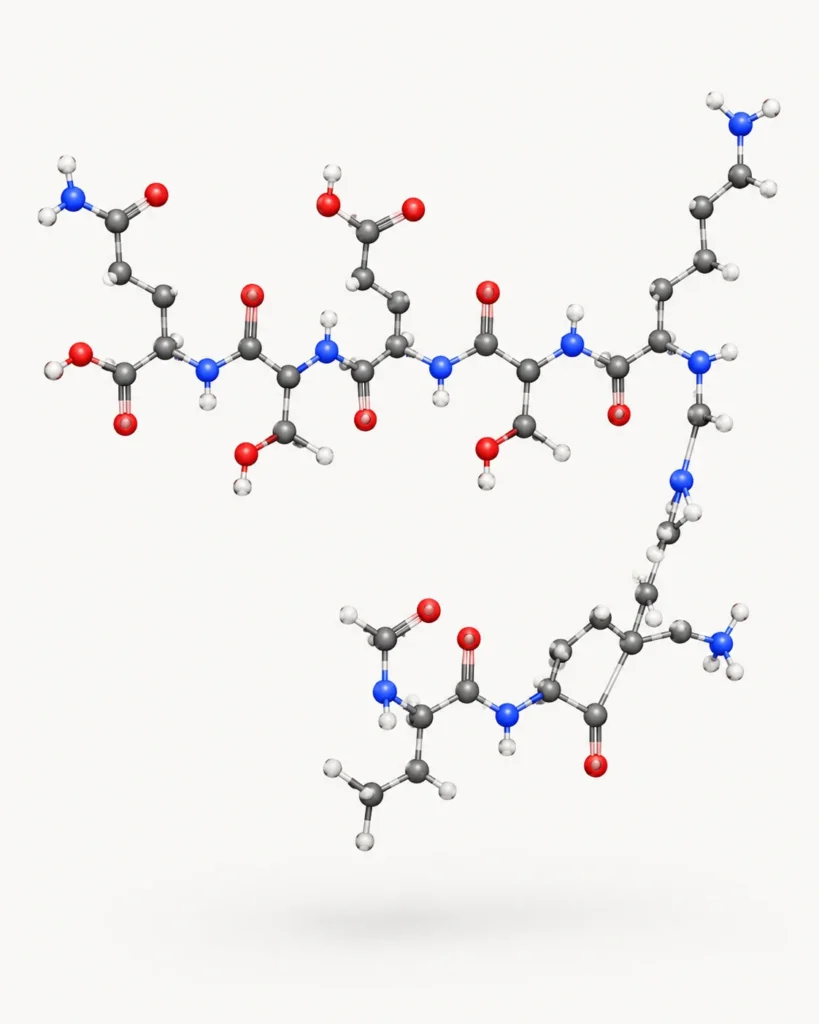
Molecular Structure
Ac-Ser-Asp-Lys-Pro-Asp-Met-Ala-Glu-Ile-Glu-Lys-Phe-Asp-Lys-Ser-Lys-Leu-Lys-Lys-Thr-Glu-Thr-Gln-Glu-Lys-Asn-Pro-Leu-Pro-Ser-Lys-Glu-Thr-Ile-Glu-Gln-Glu-Lys-Gln-Ala-Gly-Glu-Ser-NH₂
Research Findings
Published and preclinical research on TB-500 covers several areas of scientific investigation, including:
Actin biology research: Studies examine TB-500’s G-actin binding interactions and cytoskeletal dynamics in cellular research models.
Cell migration signaling: Research investigates TB-500’s interactions with endothelial and fibroblast migration pathways in tissue repair models.
Angiogenesis pathway research: Laboratory models explore TB-500’s effects on VEGF signaling and endothelial activity in vascular biology research.
Inflammatory pathway modulation: Studies evaluate TB-500’s effects on inflammatory mediator production in tissue repair experimental systems.
All findings referenced are from controlled, non-clinical research models and do not imply therapeutic or clinical application.
References
FAQ
Q: What type of research is TB-500 used for?
A: TB-500 is used in laboratory research settings. All supplied compounds are intended strictly for in vitro and preclinical research purposes. Use is limited to controlled scientific environments.
Q: Where is BioRhex’s TB-500 manufactured?
A: All BioRhex compounds, including TB-500, are manufactured in a GMP-compliant facility located in the United States.
Q: What testing does BioRhex conduct on TB-500?
A: Every batch of TB-500 undergoes third-party HPLC purity testing, mass spectrometry identity verification, and sterility testing. A Certificate of Analysis is included with every order, documenting batch-specific purity data at a ≥99% threshold.
Q: Is TB-500 approved for human use?
A: No. TB-500 is not FDA-approved and is not intended for human or animal administration. It is supplied exclusively for laboratory research purposes.
Q: Who should handle this compound?
A: Only qualified personnel in controlled laboratory settings following appropriate safety and handling protocols.
Research Use Only
All BioRhex compounds are supplied strictly for laboratory research purposes. Not for human or animal consumption, medical use, or therapeutic application. TB-500 is not FDA-approved for any medical purpose. Nothing on this page should be interpreted as health guidance or applied outside controlled research settings.